

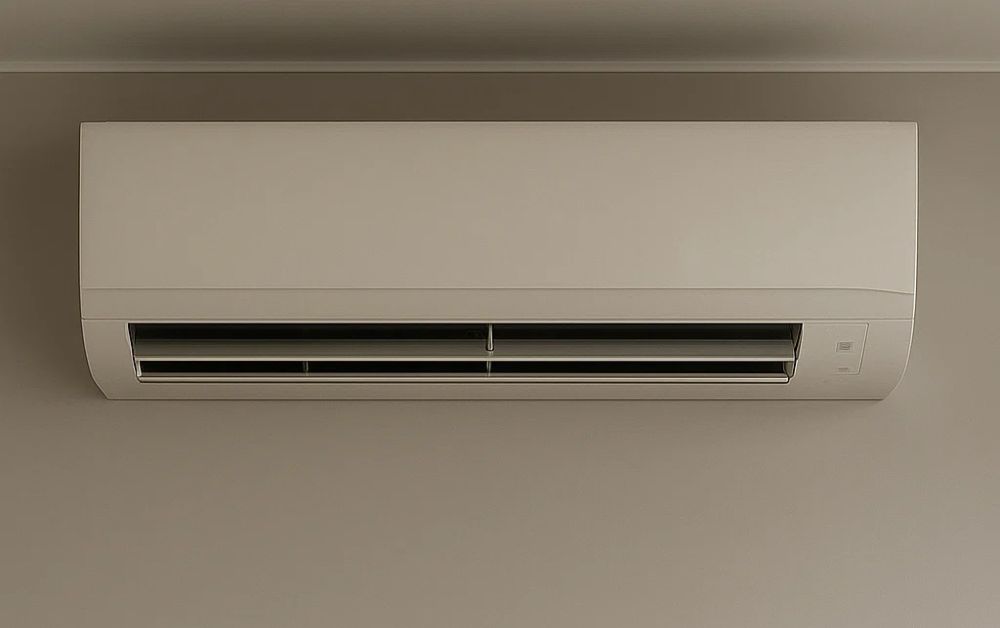
Maintaining a comfortable and safe environment is crucial in healthcare settings. Proper temperature control not only ensures patient comfort but also supports the efficient functioning of medical equipment & the overall hygiene of the facility. Many healthcare administrators in Dubai opt for air conditioner rental for healthcare facilities in Dubai to manage costs and gain flexibility. However, renting AC units also requires diligent maintenance to ensure reliability and longevity. This blog outlines essential maintenance tips to help healthcare facilities keep rented air conditioners running smoothly.
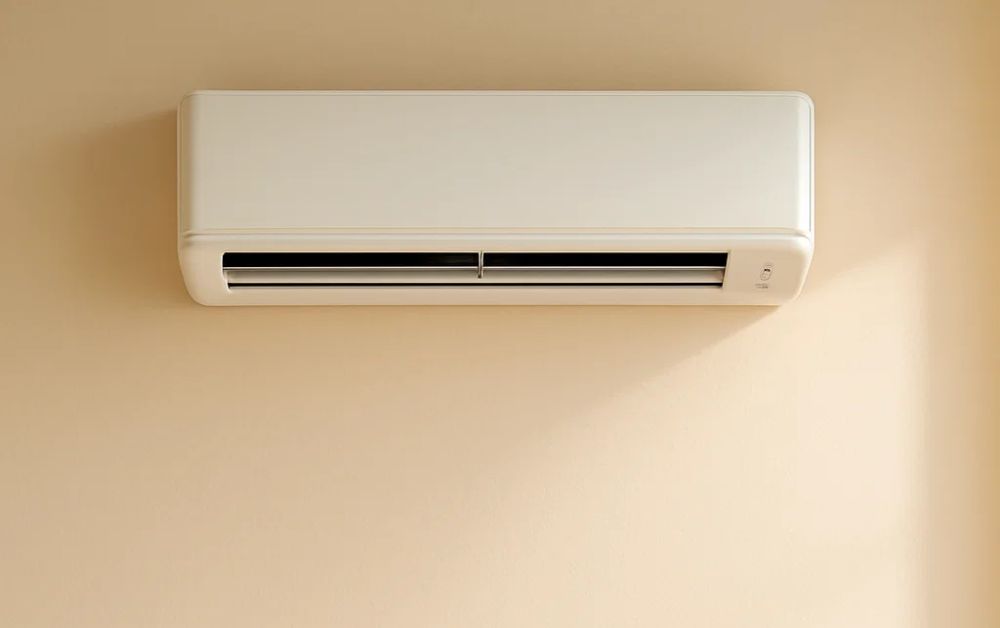
Cleaning and Replacement of Air Filters
Routine cleaning of air filters is another important maintenance activity that should be performed. These filters capture dust, pollen, & other airborne particles, preventing them from circulating throughout the facility. Patients exposed to unclean air may suffer infections.
- Clean filters weekly or bi-weekly as required, depending on usage & occupancy
- Replace filters based on a schedule provided by the rental provider to ensure optimal airflow
- Inspect filters for damages or excessive wear that could compromise air quality
As long as they are well maintained, filters ensure efficient cooling, reduced strain on the unit, and a cleaner, safer space for patients & operators.
Refrigerant Levels Monitoring
Refrigerant helps power the AC system, and as such, it is vital to avoid having too low levels as it may harm the compressor or lower efficiency.
- Check the refrigerant levels monthly or more frequently per rental service instructions
- Inform the rental provider of any abnormalities, including excess water leaking, so repairs can be undertaken promptly
- Never refill the refrigerant, as the process is dangerous and may void rental contracts
Proper refrigerant monitoring helps keep the AC cooled and reduces expensive complications.
Drainage and Condensate Management
The AC system produces condensation water that is supposed to be safely drained off the building.
- Ensure that your drainage system is clear and free of obstructions
- Install trays or hoses that direct water away from patients’ areas
- Regularly inspect condensate lines for clogs or leaks.
Proper drainage is must in healthcare facilities to prevent water damage and maintain a safe, sterile environment.
Check Electrical Connections and Safety
It is essential to monitor electrical safety when using rented air conditioners at a sensitive healthcare facility. The equipment must operate correctly to prevent outages or accidents caused by faulty wiring and connections. Therefore, professionals should take the following precautions:
- Inspect power cords, plugs, & outlets for damage or wear.
- Ensure the units are connected to dedicated circuits and do not overload them.
- Keep the cords out of potential water sources and high-traffic areas.
Professionals should conduct scheduled checks to detect any irregularities. A proper electrical connection is necessary for the safety of equipment and all people within the facility.
Schedule Regular Professional Servicing
Professional servicing at permitted frequencies is mandatory, even with proper daily maintenance. It is part of the package offered by most rental services. Therefore, the following guidelines are appropriate:
- Visit the servicing professionals at least every 3-6 months, depending on the use.
- Check on the compressors, fans, and sometimes theorems.
- Update the system with the latest firmware and calibration, or rectify any noted deficiencies.
Such practices will keep the rented units operational for a long time while providing 100% cold in the facility environment. It is critical in the healthcare sector, where downtime may interfere with patient care.
Monitor Temperature and Airflow
The unit should maintain a specific temperature in the facility. The right State of temperature and airflow will enhance patient comfort, the workability of medical equipment, and infection control.
- Regularly check the room temperature to ensure acceptable cooling.
- Adjust the airflow and counter the hot areas, or report a stagnant air issue.
- Use a portable fan or diffuser where needed.
Temperature and airflow are closely monitored for patients’ lives.
Educate Staff on Proper Usage
Staff are often the daily users of the air conditioner; therefore, they require extensive training in proper use and maintenance.
- Operational training is essential to ensure staff can switch it on and off and adjust the thermostat as needed.
- Urgent reporting of strange noises, leaks, or loss in performance.
- Full training on maintenance protocols is what staff ought to conduct.
Educated staff can identify potential issues early, reducing the likelihood of disruptions.
Maintain a Maintenance Log
Keeping a record of all maintenance activities, inspections, and service visits ensures accountability & helps track the unit’s performance over time.
- Log filter changes, refrigerant checks, and service visits.
- Note any issues reported & corrective actions taken.
- Use the log to schedule preventive maintenance proactively.
A well-maintained log provides a clear history & supports efficient management of rented air conditioners.
In Conclusion
Rented air conditioners are an effective and flexible solution for maintaining optimal temperatures in healthcare facilities. Following these key maintenance tips—including filter cleaning, refrigerant monitoring, proper drainage, electrical safety, professional servicing, temperature monitoring, staff training, & maintaining a log—ensures reliable performance and a safe environment for patients and staff.
For healthcare facilities looking for trusted and hassle-free solutions, AC on Wheels gives high-quality air conditioner rental for healthcare facilities in Dubai, professional installation, and dedicated support to keep your facility cool, comfortable, and safe.